Severe weather events and sudden urban flooding can submerge a parked car in a matter of hours, turning a quiet residential street into a muddy river. Once the water finally recedes and the panic subsides, vehicle owners frequently approach their mud-caked cars with a sense of desperate optimism. They open the doors to let the interior air out, park the car in direct sunlight, and hope that a few days of dry weather will magically restore the machine to working order. This hope is entirely misplaced. Water damage is deeply insidious, attacking both the mechanical integrity and the biological safety of the cabin with frightening speed. A flooded car is not just wet; it is fundamentally destroyed.
The reality of the damage begins with the composition of the floodwater itself. This is not clean rainwater. Urban floodwater is a highly toxic, corrosive soup filled with fine silt, raw sewage, chemical runoff, and harsh road salts. When a car sits submerged, this abrasive mixture penetrates every single crevice of the chassis, the engine block, and the transmission housing. The silt acts like liquid sandpaper inside the delicate moving parts of the engine. Attempting to turn the key and start a motor that has ingested floodwater will instantly score the cylinder walls and bend the internal rods, destroying the engine completely in a fraction of a second.
Modern automobiles rely entirely on complex networks of computers and sensors. They are essentially rolling data centres. When corrosive water breaches the engine control unit and the miles of copper wiring hidden beneath the floorboards, the destruction is absolute. The copper begins to oxidise and turn green almost immediately. Even if the car eventually starts, the electrical gremlins will haunt the vehicle forever. You will experience sudden engine stalls at highway speeds, random dashboard warnings, and most terrifyingly, the complete failure of the airbag deployment system. A flooded car can never be trusted to operate safely again.
Inside the cabin, a severe biological threat takes over rapidly. The thick acoustic foam padding underneath the carpets and the fabric within the seats act like massive, absorbent sponges. They soak up gallons of contaminated water. Within forty-eight hours of the water receding, toxic black mould begins to bloom violently inside the dashboard, within the ventilation ducts, and deep inside the upholstery. Turning on the heater simply blasts these dangerous respiratory spores directly into your lungs. The smell of a flooded car is the smell of aggressive, hazardous decay that no amount of detailing spray can ever eradicate.
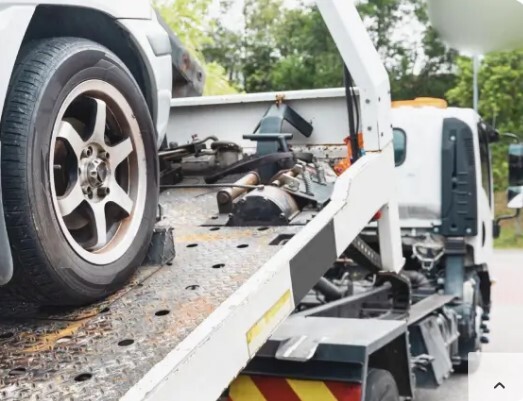
Attempting to strip the interior, replace the wiring harnesses, and rebuild a flooded engine costs vastly more than purchasing a reliable replacement vehicle. The safest, most logical response to a severe water event is to arrange a Scrap Car Removal Toronto service immediately. A professional crew will extract the biohazard from your driveway safely, ensuring that the contaminated fluids and mould-infested materials are processed in a secure, environmentally controlled facility rather than rotting outside your front door.
Delaying the removal only allows the mould to spread further and the rust to consume the structural integrity of the frame. Accept the reality of the total loss. Trying to save a flooded car puts your financial security and your physical respiratory health at massive risk. Let the heavy-duty recyclers handle the contaminated metal, clear your driveway safely, and focus your energy on securing a clean, safe replacement vehicle for your family.
Conclusion
A vehicle submerged in floodwater suffers immediate, irreversible damage to its complex electrical systems and internal engine components. The contaminated water quickly breeds highly toxic black mould within the cabin upholstery, creating a severe health hazard for anyone attempting to drive it. Drying the car out is a dangerous illusion; the most responsible action is to have the fundamentally compromised vehicle professionally collected and safely recycled.
Call to Action
Do not risk your respiratory health or your safety by trying to salvage a severely water-damaged vehicle. Protect your family and clear the biohazard from your property safely and legally. Arrange a rapid professional collection today and start fresh.
Visit: https://toogood2scrap.ca/